Why Your Dog Needs Outdoor Adventures Daily

Dogs are more than just pets. They are active, curious creatures that thrive on movement, exploration, and new experiences. Taking your dog outside every day is not just a nice-to-have activity; it is essential for their physical health, mental well-being, and overall happiness. If you have ever wondered why your dog seems restless or bored at home, the answer often lies in the lack of outdoor adventures.
This post explains why daily outdoor time is crucial for your dog, how it benefits them, and practical ways to make the most of these adventures.
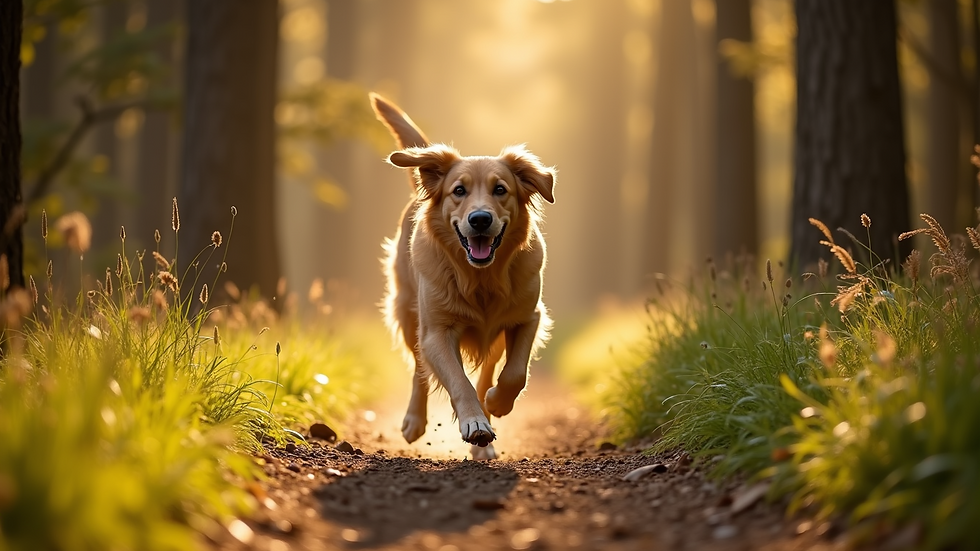
Physical Health Benefits of Daily Outdoor Time
Dogs need regular exercise to maintain a healthy weight, strong muscles, and good cardiovascular health. Outdoor adventures provide a natural setting for varied physical activity that indoor play cannot match.
Improves cardiovascular fitness
Running, walking, and playing outside help keep your dog’s heart and lungs strong. Studies show that dogs who get daily exercise have lower risks of heart disease and obesity.
Supports joint health and mobility
Movement on different surfaces like grass, dirt, and gravel encourages joint flexibility and muscle strength. This can reduce the risk of arthritis and other mobility issues as dogs age.
Burns excess energy
Dogs with pent-up energy can develop destructive behaviors like chewing or barking. Outdoor exercise helps them release this energy in a healthy way.
Promotes healthy digestion
Physical activity stimulates digestion and can help prevent constipation or other digestive problems.
For example, a daily 30-minute walk combined with some off-leash play in a safe area can significantly improve your dog’s physical condition.
Mental Stimulation and Emotional Well-being
Outdoor adventures are not just about physical exercise. They provide rich mental stimulation that keeps your dog’s brain active and engaged.
New smells and sights
Dogs experience the world primarily through their noses. Exploring new environments exposes them to a variety of scents that challenge their brains and satisfy their natural curiosity.
Problem-solving and learning
Navigating different terrains, encountering other animals, and exploring new places encourage dogs to think and adapt.
Reduces anxiety and stress
Time spent outside can lower stress hormones in dogs. Nature’s calming effect helps reduce anxiety, especially in dogs prone to nervousness or separation anxiety.
Improves social skills
Outdoor adventures often involve meeting other dogs and people. These interactions help dogs develop better social behavior and confidence.
Consider a dog park visit where your dog can safely interact with others, or a hike where they encounter wildlife and natural obstacles. These experiences enrich their mental life.
Strengthening the Bond Between You and Your Dog
Spending time outdoors together builds trust and deepens your relationship.
Shared experiences create connection
Exploring new places side by side strengthens your bond. Your dog learns to rely on you for guidance and safety.
Training opportunities
Outdoor settings provide real-world scenarios to practice commands and improve obedience.
Fun and joy
Playing fetch, running, or simply walking together creates joyful moments that both you and your dog will cherish.
For example, a weekend hike or a beach day can become a special routine that your dog looks forward to, enhancing your companionship.
Practical Tips for Daily Outdoor Adventures
Making outdoor time a daily habit does not require hours or special equipment. Here are some practical ways to ensure your dog gets enough outdoor activity:
Schedule regular walks
Aim for at least 30 minutes of walking every day. Break it into two shorter walks if needed.
Explore different locations
Change routes to keep things interesting. Parks, trails, and quiet streets offer varied experiences.
Include playtime
Bring a ball or frisbee for fetch, or find a safe off-leash area for running.
Use interactive toys
Take puzzle toys or treat-dispensing balls outside to combine mental and physical exercise.
Watch the weather
Dress your dog appropriately for cold or hot weather and avoid extreme conditions.
Stay safe
Use a leash where required, carry water, and be mindful of local wildlife or hazards.
Even a quick romp in your backyard counts as outdoor time if you cannot get far.
Addressing Common Challenges
Some dog owners face obstacles that make daily outdoor adventures difficult. Here are solutions to common issues:
Limited time
Short, focused walks or play sessions can still provide benefits. Quality matters more than duration.
Bad weather
Use covered areas or indoor dog parks. Some dogs enjoy rain or snow with proper gear.
Fear or anxiety outdoors
Start with calm, quiet places and gradually increase exposure. Positive reinforcement helps build confidence.
Physical limitations
Older or injured dogs can benefit from gentle walks or supervised outdoor time.
The Long-Term Impact of Daily Outdoor Adventures
Dogs that enjoy regular outdoor activity tend to live longer, healthier lives. They show fewer behavioral problems and have better mental health. Outdoor adventures also help prevent obesity, a leading cause of health issues in dogs.
By making outdoor time a priority, you invest in your dog’s quality of life. You give them the chance to be the happy, active companion you know they can be.
Taking your dog outside every day is one of the simplest and most effective ways to support their health and happiness. Whether it’s a walk around the block, a hike in the woods, or playtime in the park, these moments enrich your dog’s life and strengthen your bond. Start planning your next outdoor adventure today and watch your dog thrive.


Comments